
September is honestly the smartest month to travel if you actually want to enjoy yourself. Peak season crowds are gone, but you’re not trading down on the experience. You still get real summer heat, just without the brutal 40°C days that make you want to hide indoors from noon to 5pm. Add in prices dropping across accommodation and flights once the school-holiday crowd clears out and you’re basically getting a near-identical trip to late summer for a fraction of the cost and none of the elbow-to-elbow beaches.
Whatever kind of trip you’re after, there’s something on this list for you: families, solo travelers, couples, and anyone chasing a more active holiday will all find their perfect match here.
Here’s where to go.
Turkey
1. Bodrum
Daytime: 28–32°C
Sea: 25–27°C
Cost: $
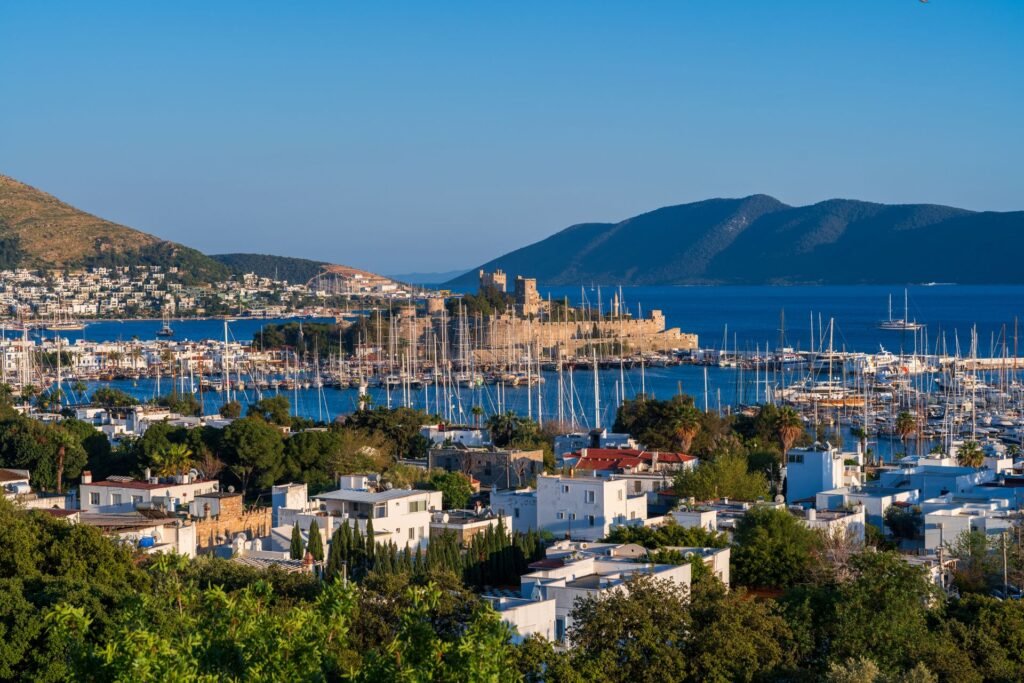
Bodrum is called the St.Tropez of Turkey as well. The historic heart of the city is the Castle of St. Peter, sitting right by the harbor and finished all the way back in 1402. It’s still standing in near-full glory, so if you’re into history, this is your stop.
But Bodrum isn’t just for the history buffs. Two of its best beaches are practically in the city center: Kumbahçe Beach, where you get free sunbeds (yes, free), and Bardakçı Bay, the closest sandy stretch to town. Both have water so clear it almost looks fake.
Into watersports? Head 3 km out of downtown to Gümbet Sahil — a sandy beach lined with bars and restaurants where you can jet ski, parasail or basically throw yourself at every adrenaline activity going.
Traveling with family instead? Bitez Beach is the calmer, sandier alternative nearby, minus the extreme sports crowd. Honestly, this is the kind of place I’d pick if I wanted a beach trip that doesn’t feel like everyone else’s beach trip.
2. Antalya
Daytime: 29–31°C
Sea: 27°C
Cost: $
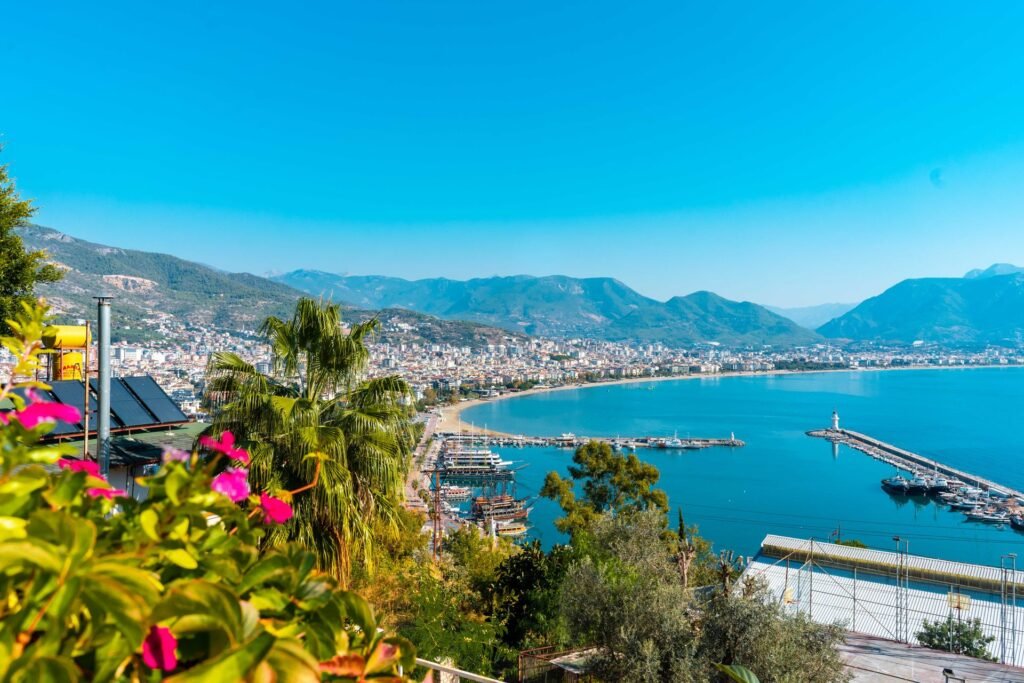
If you want that classic beach holiday feeling in September without the peak season price tag, Antalya delivers. High season’s over, so the crowds have thinned out, but the city’s still very much alive.
This is also one of my go to picks for all-inclusive (beside Egypt, so if you are open to fly out of Europe, definitely check that out). The value you get for the price around here is genuinely hard to beat, especially now that it’s off-peak. That said, don’t write it off if you want something more active. You can just as easily build a packed, on-the-go trip out of it. Many, many activities offered around!
Use the calmer pace to visit nearby ancient ruins like Perge, Termessos or Aspendos. When you need a beach day, Konyaaltı (pebbly) and Lara (sandy) both work for any age group.
The old town, Kaleiçi, is worth wandering for the history alone — you can actually take your time at Hadrian’s Gate without fighting a wall of tourists. Nearby, the old bazaar is a proper sensory trip: spices mixing with the smell of handwoven rugs, copperware, and leather. Post-peak-season, the vendors are more relaxed too, so haggling actually feels doable.
Want to shop where locals actually shop? Lara Cumartesi Pazarı is your answer. One heads-up though: book your accommodation carefully, since it’s only held once a week on every Saturday!
3. Cyprus
Daytime: 28–32°C
Sea: 27°C
Cost: $$
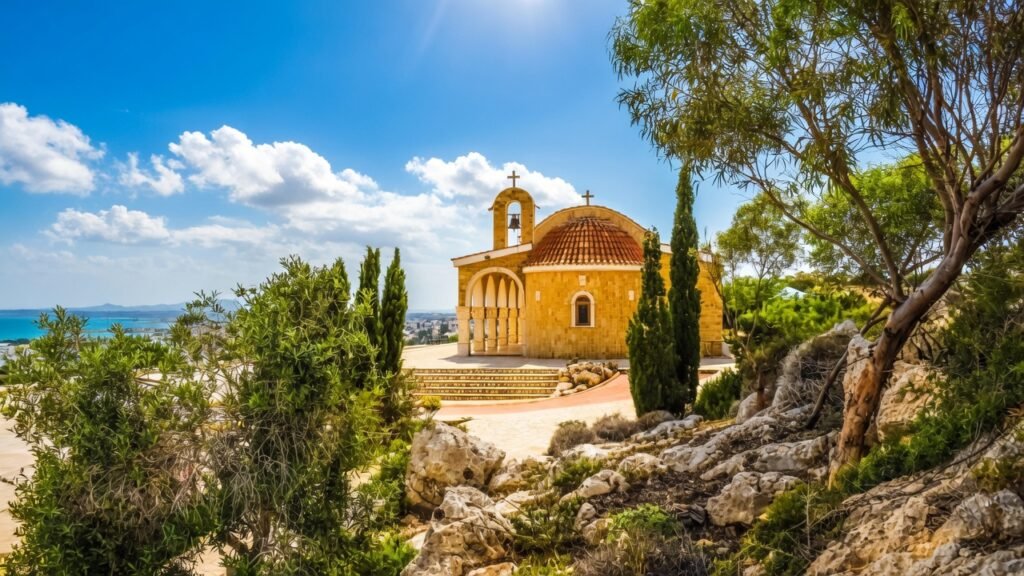
September here isn’t the tail end of summer, it basically still is summer. The southeast coast is flat, with long sandy stretches like the famous Ayia Napa and Fig Tree Bay.
Inland, the Troodos Mountains rise up with pine forests and Byzantine monasteries, ideal if you want slightly cooler air and a hiking day. That contrast between the two sides — flat, sandy coast vs. mountain forest — is exactly why I’d rent a car here. Cyprus rewards people who actually drive across it rather than parking themselves at one resort for the week.
Out of everything on this list, Cyprus is probably closest to a full July-August feeling, minus the July-August price tag. White sand beaches, nightlife, and ancient history. You’re not choosing between them here, you get all three.
4. Malta
Daytime: 26–29°C
Sea: 25°C
Cost: $$
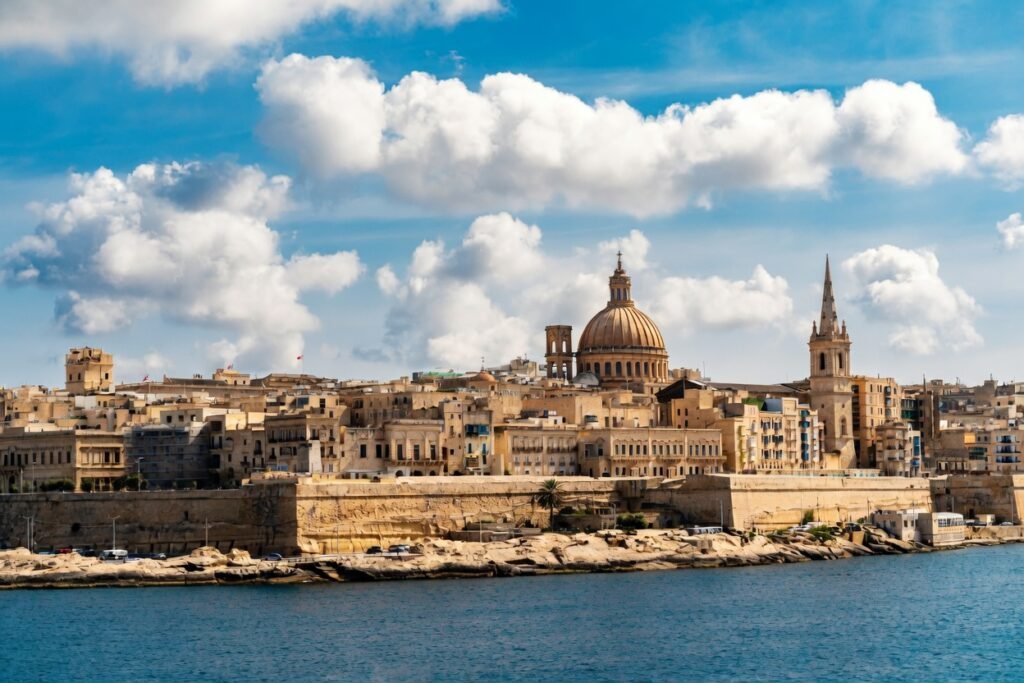
Malta is a proper rock island: big limestone cliffs, coves, caves, not much greenery. The capital, Valletta, is all steep staircase streets, but don’t let that put you off walking in the footsteps of the Knights and digging into the local museums and history. At night, head to St. Julian’s for the busiest nightlife on the island.
Malta isn’t really known for endless sandy beaches (though Golden Bay and Mellieha Bay come close) — it’s known for its rocky pools and crystal-clear diving spots, like the Blue Lagoon off Comino. Come September, the boat ride out there is a completely different experience. No fighting for space on the deck, no rushing to grab a spot once you’re in the water.
Since summer tourists thin out fast here after August, accommodation and boat trips both get noticeably cheaper — worth booking once the shift kicks in if you’re watching your budget.
Fun fact: a few Game of Thrones scenes were filmed here, so if you’re a fan, it’s worth the detour.
Spain
5. Tenerife
Daytime: 26–28°C
Sea: 25°C
Cost: $$
Tenerife, the biggest of the Canary Islands, sits in the Atlantic just off the coast of Africa. September is one of its warmest, calmest months.
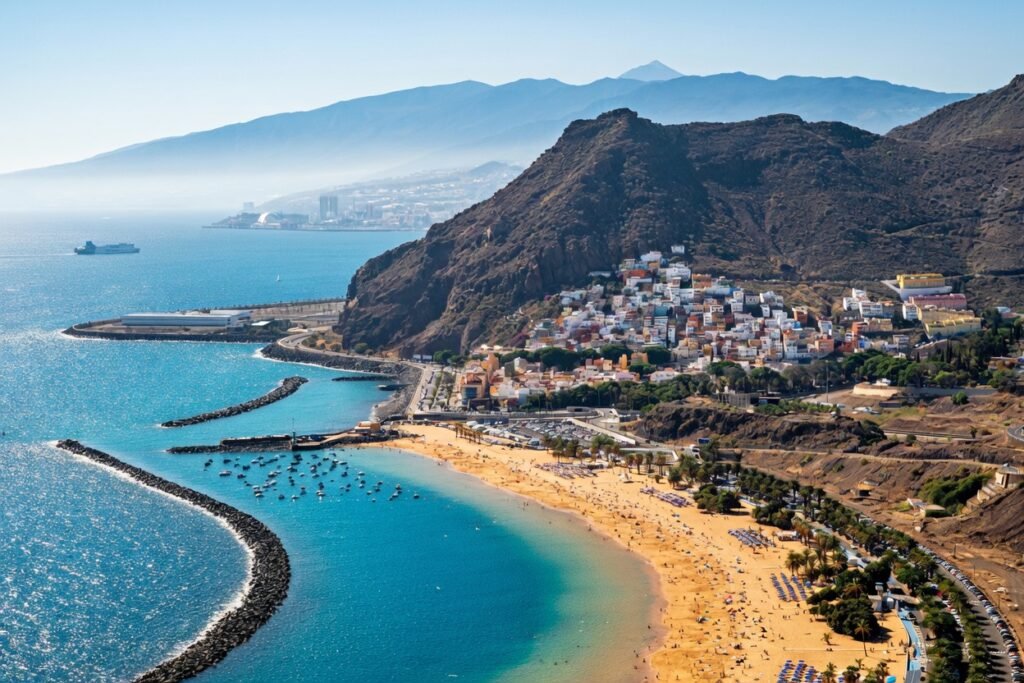
The island has two personalities. The south — think Playa de las Américas — is flatter, sunnier and full of sandy beaches. The north is where Mount Teide sits, Spain’s highest peak at 3,715 meters, and it’s dramatic, mountainous terrain. You can drive, hike or quad through the massive crater. September is a great time for it too, since the summer haze (calima) has cleared and the views up top are properly sharp.
It’s also a solid pick if you love black-sand beaches and watersports. And since Tenerife runs warm nearly year-round, September doesn’t come with the same price spike you’d see chasing good weather in mainland Spain — you’re not paying a premium just because the sun’s out.
6. Palma de Mallorca
Daytime: 27–28°C
Sea: 24°C
Cost: $$$
By September, Mallorca shifts out of party-season mode into something calmer and honestly more enjoyable. You might catch a shower toward the end of the month, but nothing dramatic. In the northwest, the Serra de Tramuntana — a UNESCO World Heritage mountain range — has winding roads leading to villages like Valldemossa and Deià. The south and east side of the island, by contrast, is gentler, all coves and bays.
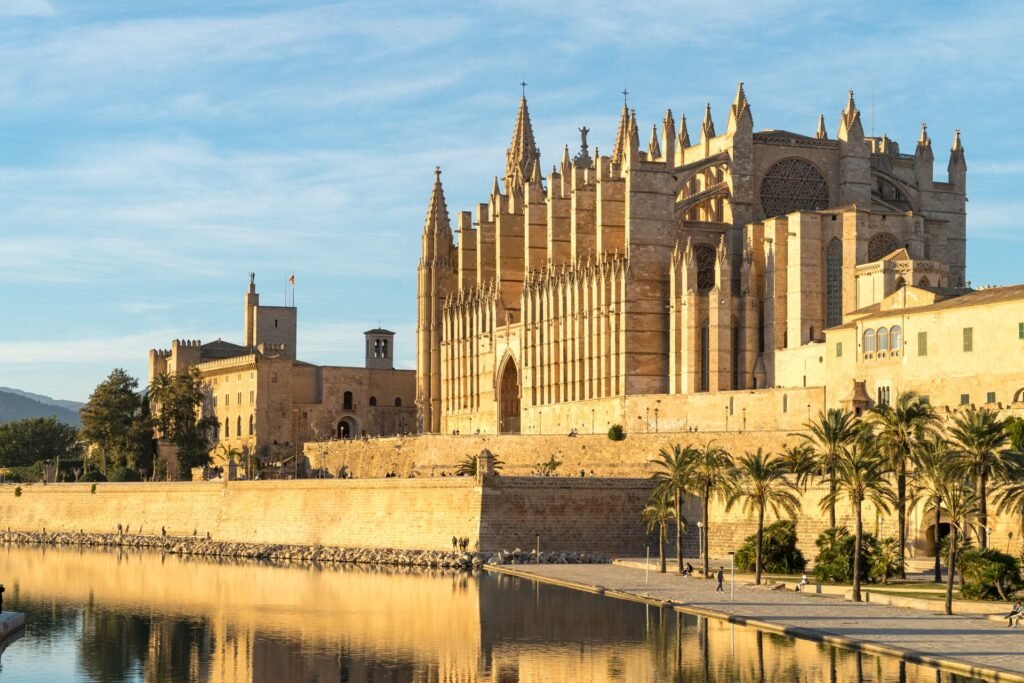
Palma’s old town is stunning, anchored by the massive Gothic La Seu Cathedral, palm-lined promenades and plenty of proper Spanish tapas bars.
Great food, culture, white-sand beaches, turquoise water — Palma doesn’t make you pick a lane, and that’s exactly why it works so well as a first Mallorca trip.
Italy
7. Sicily
Daytime: 26–29°C
Sea: 25°C
Cost: $$
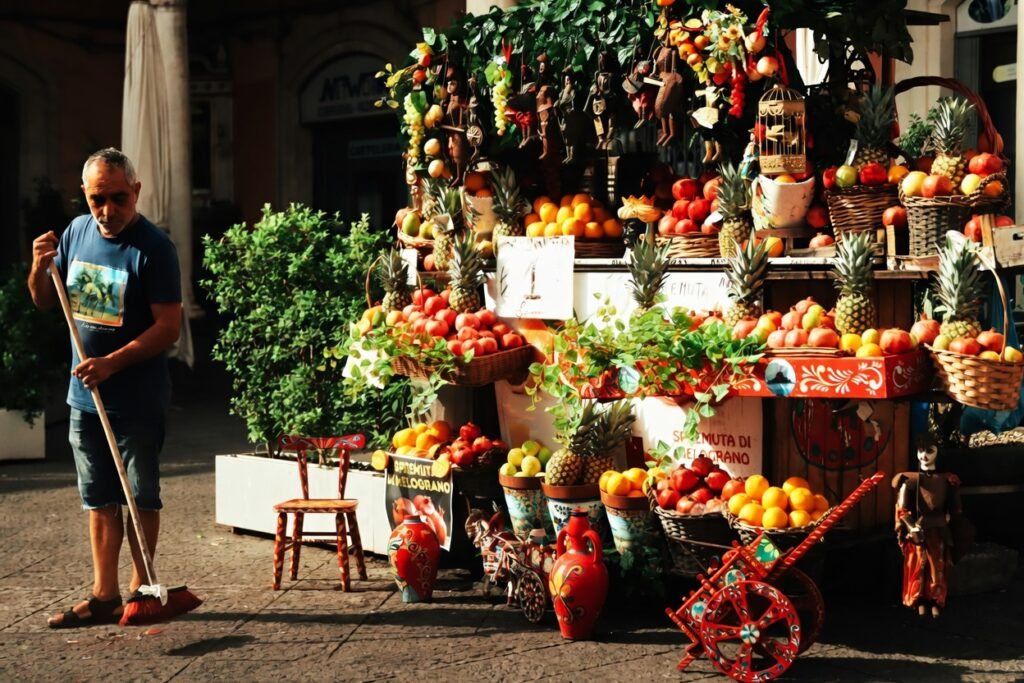
Sicily is the Mediterranean’s biggest island, home to Europe’s tallest active volcano, Mount Etna, at 3,357 meters. Its ash covers Catania on the regular, locals sweep it off the streets every morning.
Rent a car if you actually want to see the island properly. Public transport and tour buses only get you to the big-name spots, like the Temple of Athena (UNESCO listed) or towns like Taormina and Cefalù.
The street food alone justifies the flight: arancini (fried, breaded rice balls), fresh seafood, pistachio pastries and genuinely great wine. My personal favorite? Granita (slush) served inside a brioche bun — sounds strange, tastes… strange haha, but for sure a must try!
History, food, turquoise water, white sand. Sicily just doesn’t run out of reasons to stay longer than you planned.
8. Sardinia
Daytime: 27–29°C
Sea: 24°C
Cost: $$$
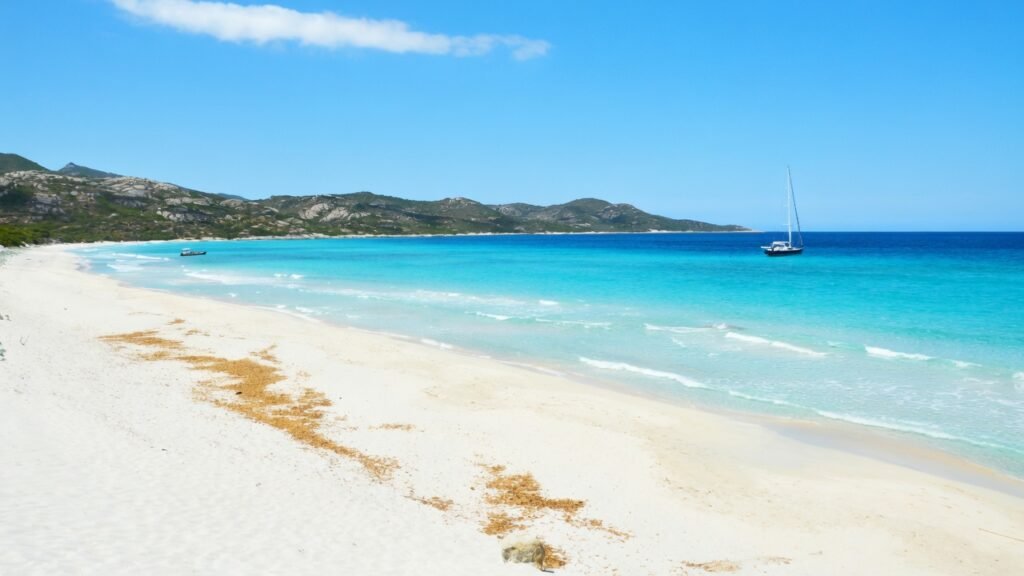
Sardinia isn’t just another island in the Mediterranean. It’s its own wild, dramatic world and September is when it shows its truest self. The sun’s still hot, but the air’s turned soft and after months of summer heat, the sea feels like swimming in a giant emerald pool.
The island’s real magic is in its contrast. Up north, along the Costa Smeralda, blinding white sand and turquoise water look almost Caribbean, until you spot the wind-carved granite cliffs behind them, which snap you right back to the Mediterranean. Head inland and it’s a completely different world: mountainous, dry, and wild, with roads winding up steep switchbacks.
Out here, time genuinely slows down. Goats graze the hillsides, and the landscape is dotted with nuraghi, mysterious Bronze Age stone towers left by a civilization long gone.
September is prime time for active explorers and anyone chasing real quiet. On the east coast, the Golfo di Orosei’s hidden beaches — only reachable on foot or by boat, like Cala Goloritzé — are at their best now. In the evening, settle into a fishing village or Alghero’s walled old town with a glass of local Vermentino, and it clicks pretty fast why people keep coming back.
9. Montenegro (Kotor, Budva, Herceg Novi)
Daytime: 26–28°C
Sea: 23–24°C
Cost: $
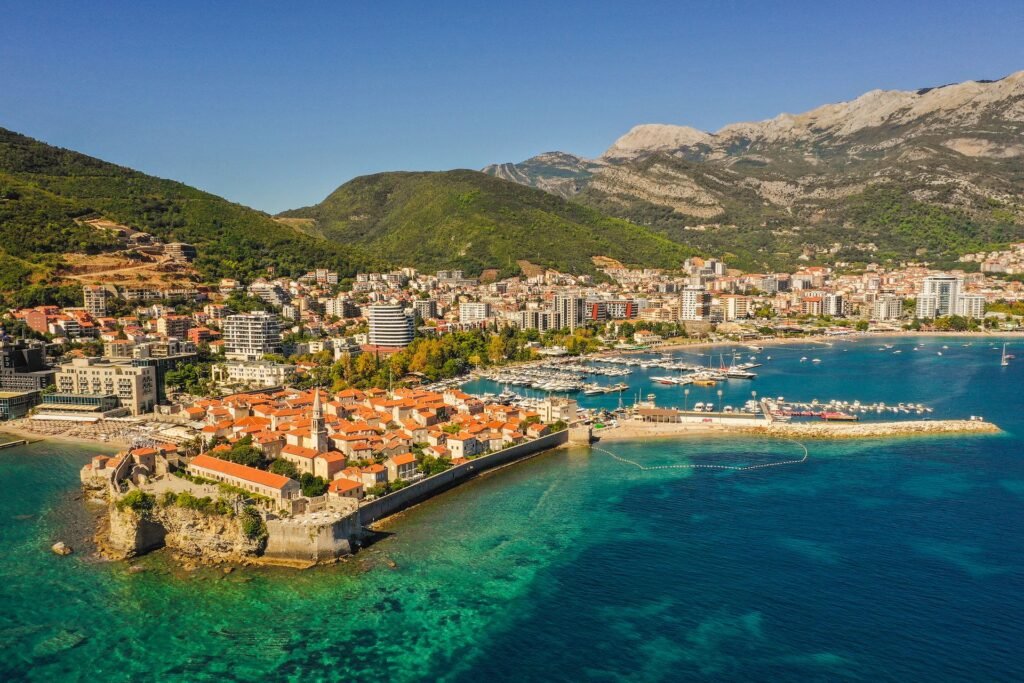
Timing matters a lot here. First week of September, Kotor’s still busy, prices are still close to August levels and cruise-ship days pack the old town. From around September 10–12 onward, that starts to shift and by mid-September, it’s a completely different trip. Accommodation prices drop 25–35%, you can walk Kotor comfortably at any hour, sunbeds are available without racing for them at 8am, and you can get a restaurant table same-day.
Mid-to-late September is also great for high-altitude hiking, and the Tara Canyon still runs excellent rafting, river levels are lower than early season, but the ride’s still worth it and the canyon looks stunning in early-autumn colors.
Kotor’s old town, once the crowds thin, turns into the place you actually came for: walk the city walls at 10am with no queue, grab a coffee on a Venetian piazza, get a table at a top restaurant without booking days ahead.
Don’t skip Herceg Novi either. Its terraced old town, subtropical gardens and the Kanli Kula fortress are far more enjoyable once the midsummer heat backs off, and it makes a natural stop before or after crossing into Croatia. If you’re deciding where to base yourself on the western side of the bay, compare it against Tivat.
Bonus: the Blue Cave tour is still running this time of year, and late September into early November is Montenegro’s wine festival season.
+1 Greek Islands
Notice Greece is complitely missing from this list? — that’s on purpose! Picking the right Greek island deserves its own guide, so chech out Which Greek Island Should You Choose In September?