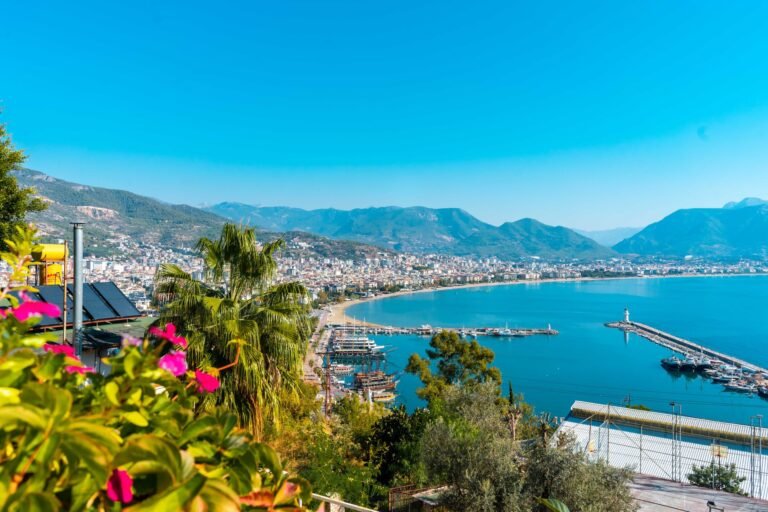

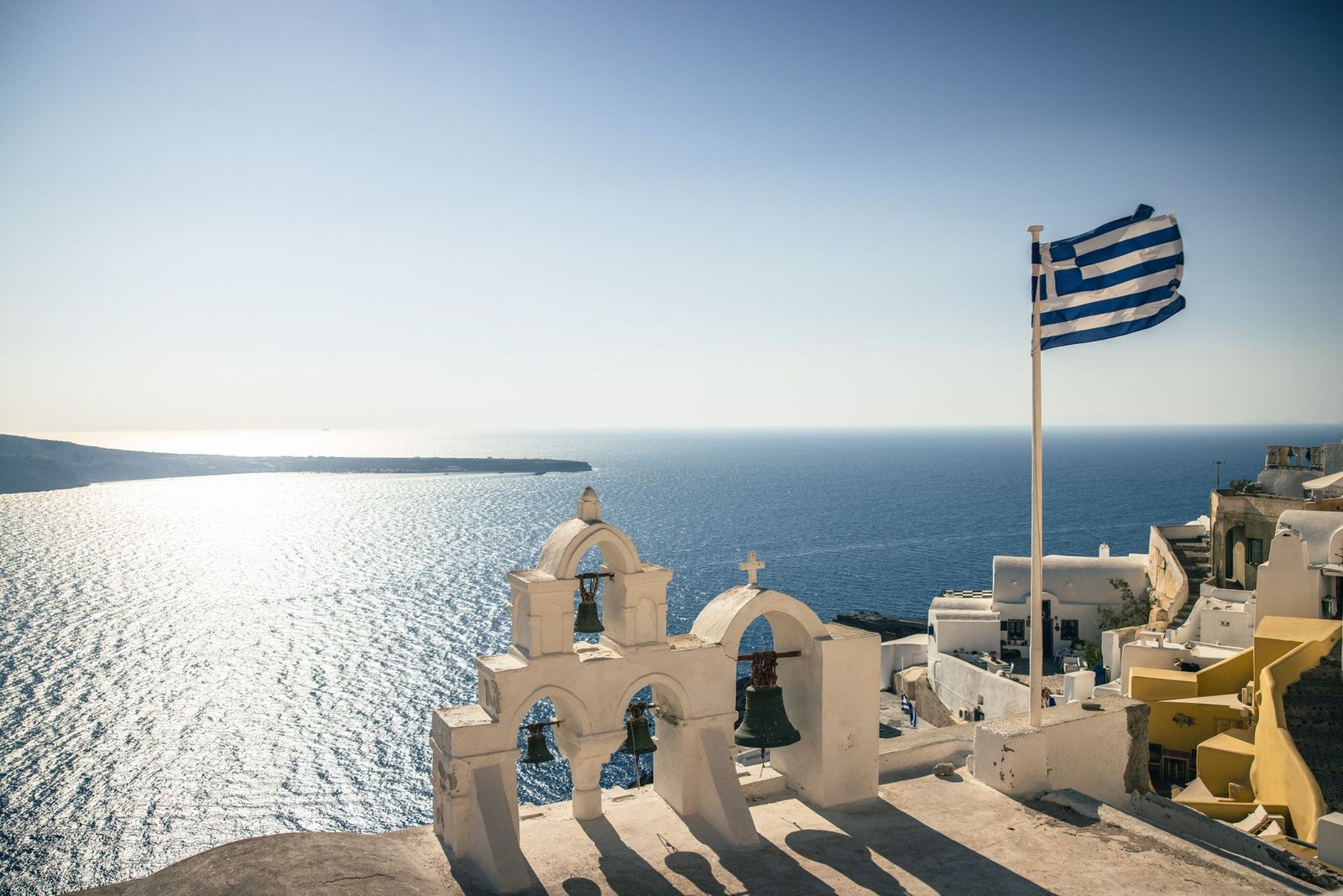
September might be the best-kept secret for Greek island hopping. The ferries still run on full summer schedules, the sea’s had all summer to warm up, and most islands have shaken off the worst of the tourist crush — Crete’s the exception, since it’s the southernmost island and still holds onto real summer heat, so it stays busier a bit longer than the rest. Everywhere else, you’re looking at quieter beaches, easier bookings, and locals who actually have time to talk to you.
Here’s which island fits your trip:
1. Crete
Daytime: 27–28°C
Sea: 24°C
Cost: $$
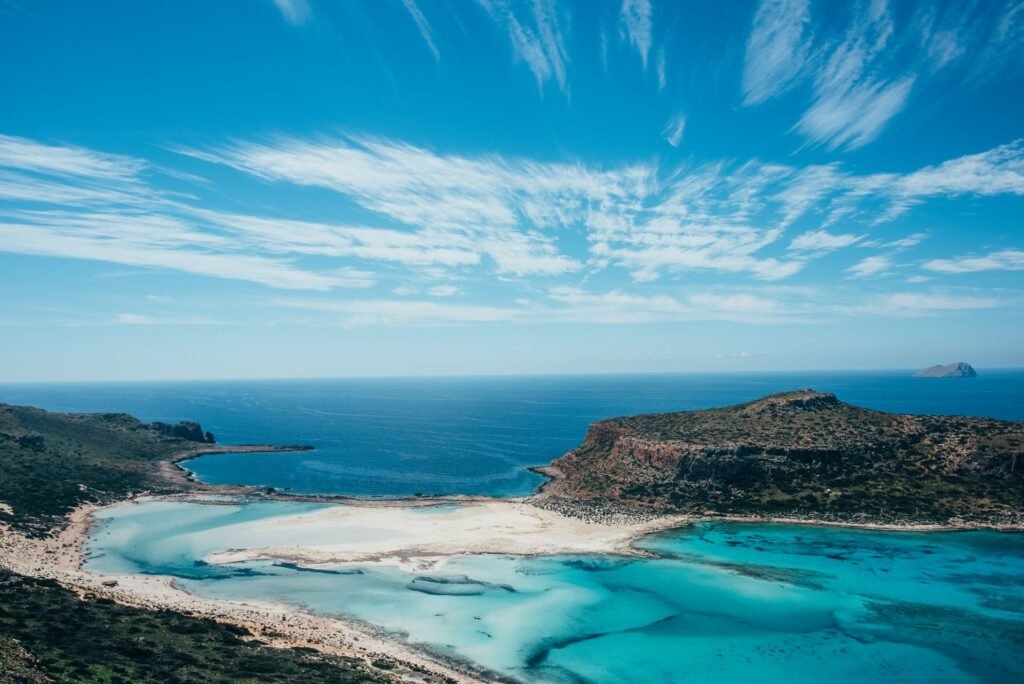
Crete is Greece’s southernmost island, so summer sticks around here the longest. September still counts as high season, just with fewer people trampling your beach towel. Case in point: the pink-sand beach at Elafonisi, the one all over TikTok and Instagram. September is genuinely the time to see it without the crowds ruining the shot.
It’s also a solid pick for hikers. Plenty of guided tours run this time of year. The Lefká Óri mountain range climbs over 2,000 meters and is basically a playground for anyone who wants a real adventure. That’s also where you’ll find the Samaria Gorge National Park, one of Europe’s longest at 16 km, ending right at the Libyan Sea. If that sounds like too much, the Imbros Gorge is the easier version — still stunning.
One thing worth knowing: if you want more than beach days and evening strolls and actually want to explore the whole island, rent a car.
2. Kos
Daytime: 27–28°C
Sea: 25°C
Cost: $$
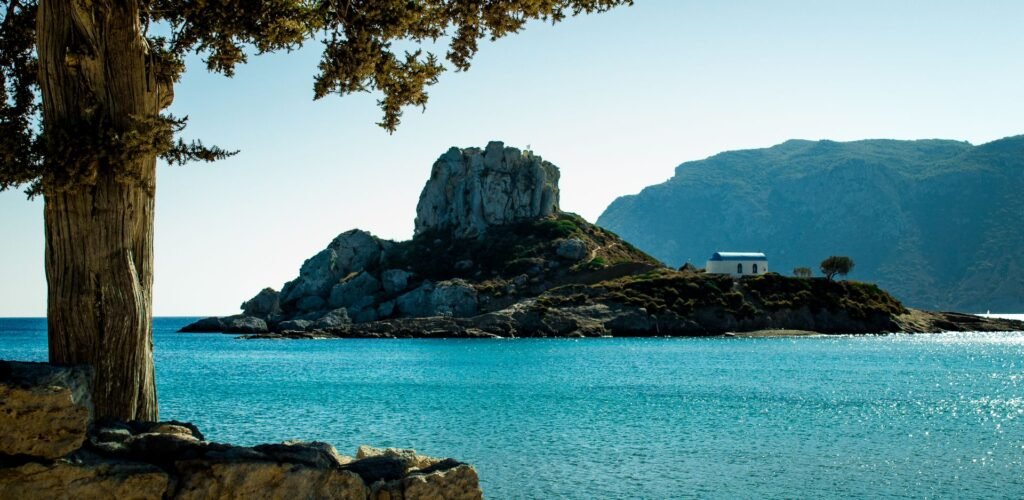
Kos sits close enough to Turkey that if Bodrum caught your eye (if you haven’t yet, read my other article about The best 9 Warm Destinations for September In Europe here), but you don’t want to commit to a longer stay, you can do it as a day trip from here. Ferries and catamarans leave from Kos Town and get you to Bodrum harbor in about 45–60 minutes.
Important: Turkey isn’t in the EU, so bring your passport or you’re not getting on that boat.
Kos tends to run windier than most Greek islands in summer, but that eases up by September, almost disappearing entirely. On the south coast — think Kardamena, Paradise Beach — the water goes glass-flat.
The island’s pretty flat overall, which makes it a favorite for cyclists. Not really my thing in the heat, honestly, but if you’ve got the budget for it, an e-bike tour is a genuine game-changer — you cover way more ground and it’s a completely different kind of fun. There are several dedicated cycling routes across the island.
3. Samos
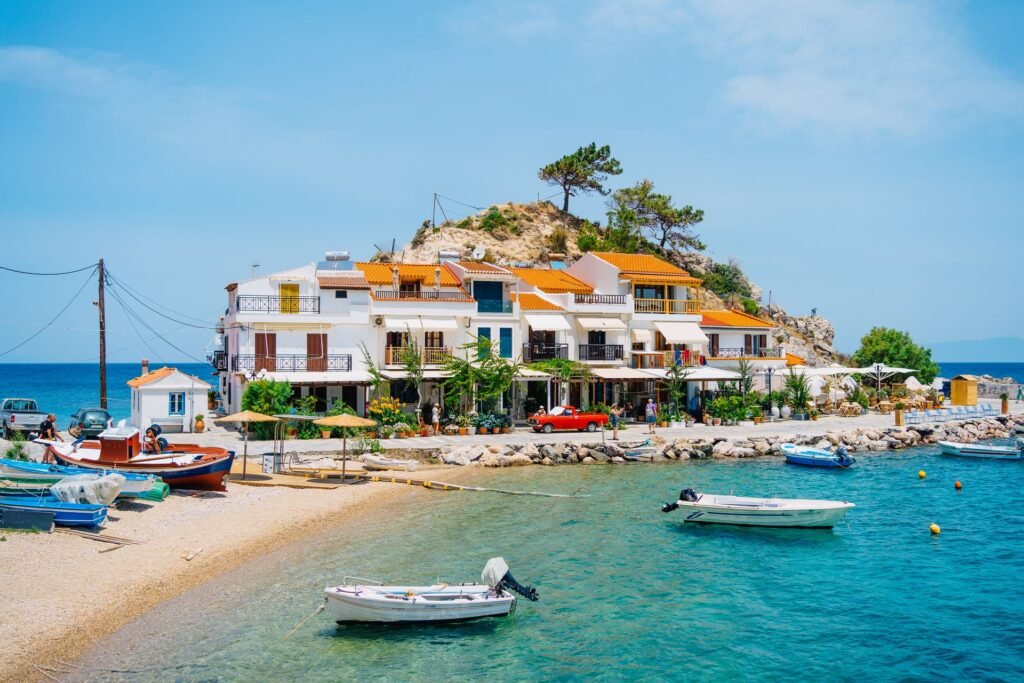
Daytime: 28–29°C
Sea: 24°C
Cost: $$
Want a beautiful island with quiet, calm and a serious amount of wine? This is it. Samos is the birthplace of Pythagoras and home to one of the ancient world’s engineering marvels, the Eupalinos Tunnel.
Don’t skip the village of Manolates — cars stay parked at the edge, and inside you’ll find craft shops, potters and family-run tavernas with views worth the walk. For hiking, the Potami Waterfalls are the highlight: a short forest walk gets you there, and if you’re brave, you can swim in them.
September is also harvest season on Samos, and the island is famous for its Muscat wine. This is where you get the authentic Greek-island experience while swimming in warm, 24°C water.
4. Corfu
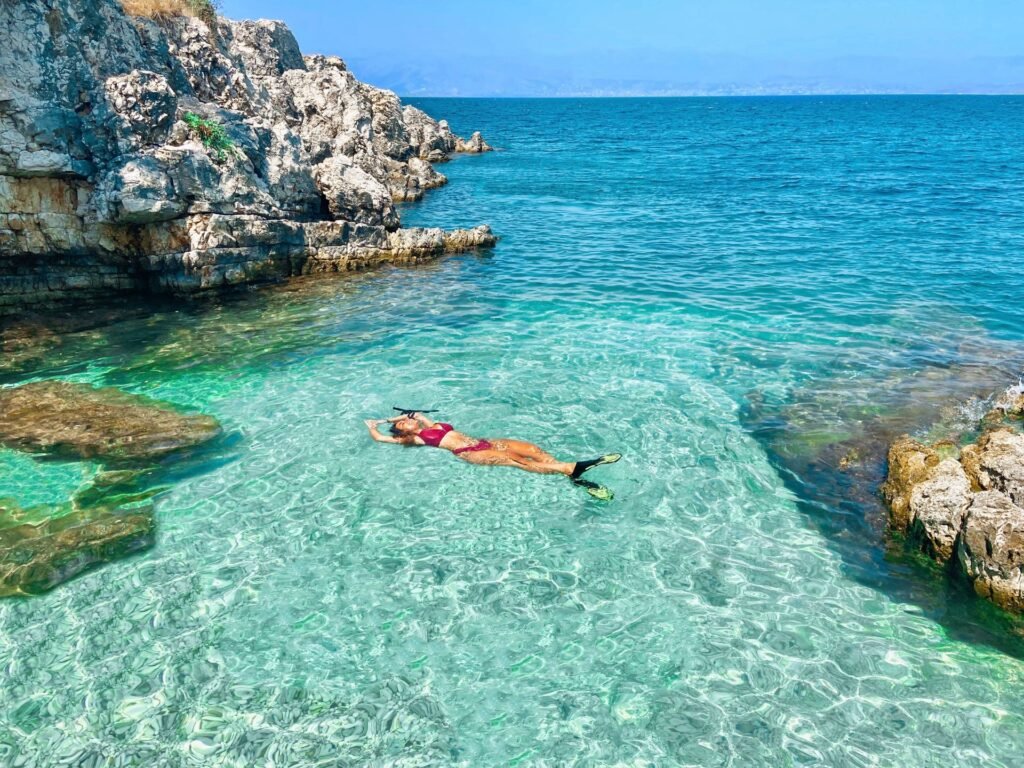
Daytime: 25–28°C
Sea: 24°C
Cost: $$
Corfu runs a little cooler than the islands above. It’s also a lot greener — dense and lush where the others are dry and rocky, with centuries of Venetian rule still written into the architecture: narrow streets, cozy little squares, an almost Italian feel.
Don’t miss the Achilleion Palace, Empress Sisi’s old neoclassical residence with gardens and sea views that are worth the entry fee alone. Nature lovers should head to Paleokastritsa, arguably Corfu’s most stunning bay. The water runs a bit cooler here, but it’s completely swimmable in September.
If you’re traveling as a couple looking for a bit of a legend to lean into, Corfu’s got you — the Canal d’Amour, or Canal of Love. Local myth says any couple who swims through the narrow rock channel stays together forever.
5. Karpathos
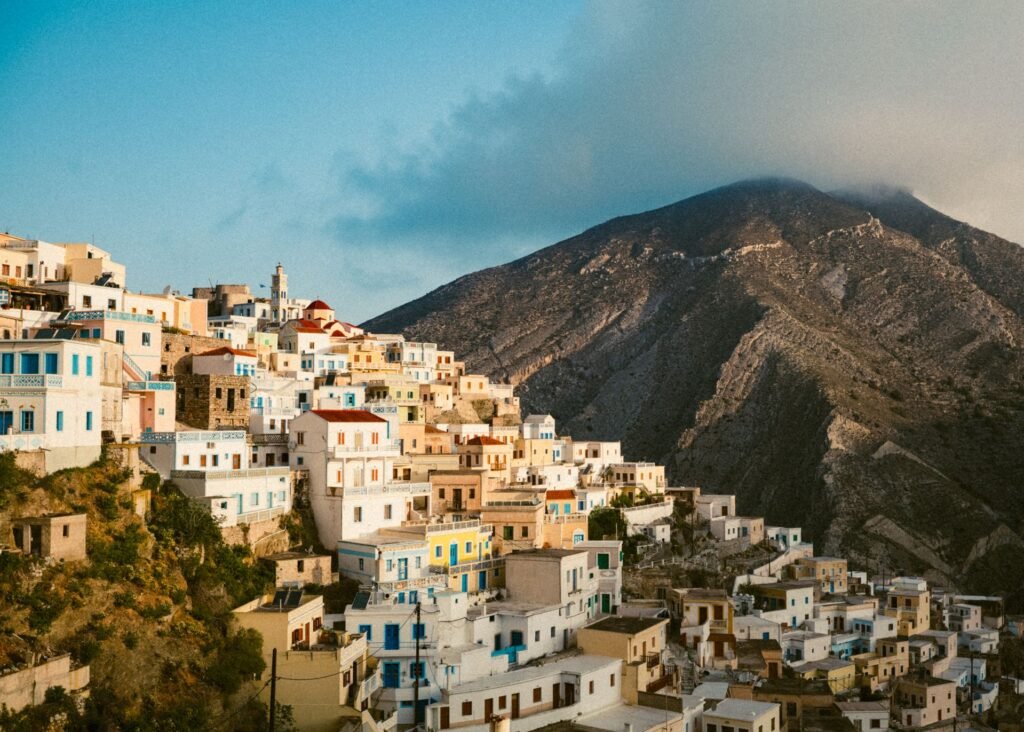
Daytime: 26–29°C
Sea: 25°C
Cost: $
Sitting between Crete and Rhodes, Karpathos doesn’t get anywhere near the attention of the bigger-name islands — which means fewer tourists and noticeably lower prices, even in September.
A mountain range splits the island in two, and up on the northern side sits Olympos, a village where time genuinely seems to have stopped. Local women still wear traditional embroidered dress and speak an ancient Greek dialect day to day.
The beaches are mostly white pebble with turquoise water and thanks to the lower footfall, there’s still a lot of untouched coastline left to explore. If you’re after wild, dramatic landscapes and a real look into ancient Greek culture rather than a polished tourist version of it, Karpathos is the pick.
6. Naxos
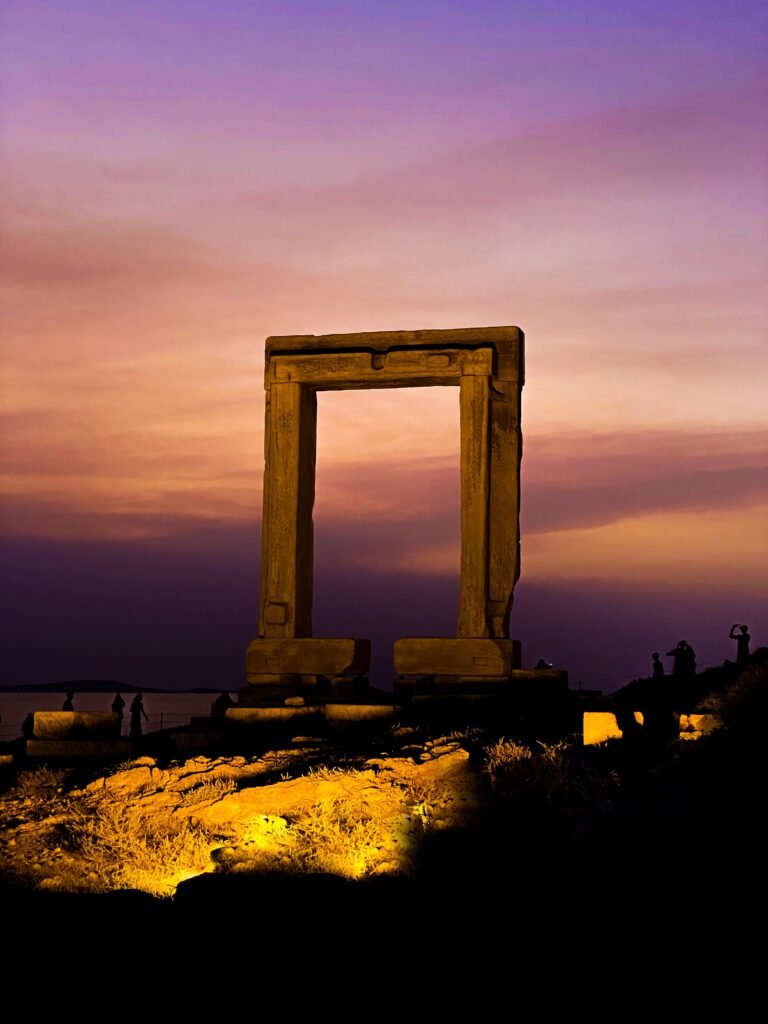
Daytime: 25–28°C
Sea: 24°C
Cost: $$
Naxos is home to Mount Zeus, standing at 1004, meters and a solid hiking target. The island’s terrain is a mix — flat and dotted with white-sand beaches on the west side.
In the capital, Chóra, you’ll find the Portara, a massive ancient marble gateway to an unfinished Temple of Apollo and easily the best sunset spot on the island come September. While you’re there, try the local Graviera Naxou cheese, the local olive oil and Kitron, the island’s traditional lemon liqueur.
The beaches here are gold sand with crystal-clear water that deepens slowly. Good news if you’re traveling with kids or just don’t love a sudden drop-off.
Not sold on Greece specifically? September is a great month to travel in general — check out 9 Best Warm Destinations in Europe for September for more places that are still warm, still quiet and easier on your budget.