
You’ve probably seen the elf videos all over Instagram and TikTok — elves in Lapland, living what looks like the dream job. Walking to work through snow every morning? Baking cookies in a cabin in the middle of the forest?
Sign me up.
Now I’m going to show you exactly how you can be one of them next winter and recruitment in some places already starts in summer, so you’ll want to lock in your spot early. It’s way simpler than you think.
Where can I actually work?
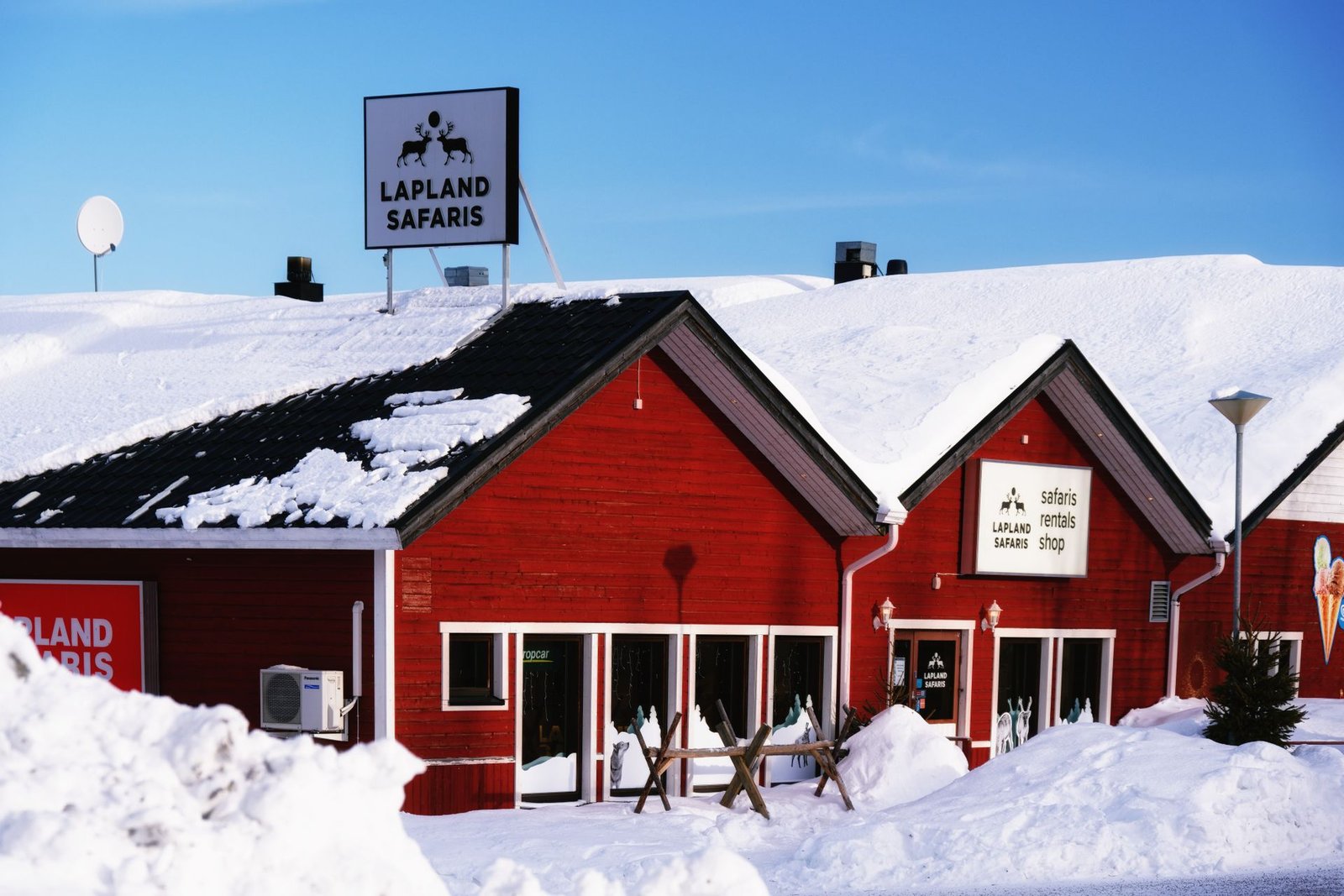
When I applied, I specifically looked around Lapland — which stretches across Sweden, Finland, and Norway. Tons of resorts hire for the winter season, and it’s not just elf jobs — there’s every kind of hospitality work you can imagine.
So if Lapland appeals to you but you’re open to something else equally magical and storybook, think dog-sled safaris or snowmobile and northern lights tour guide positions.
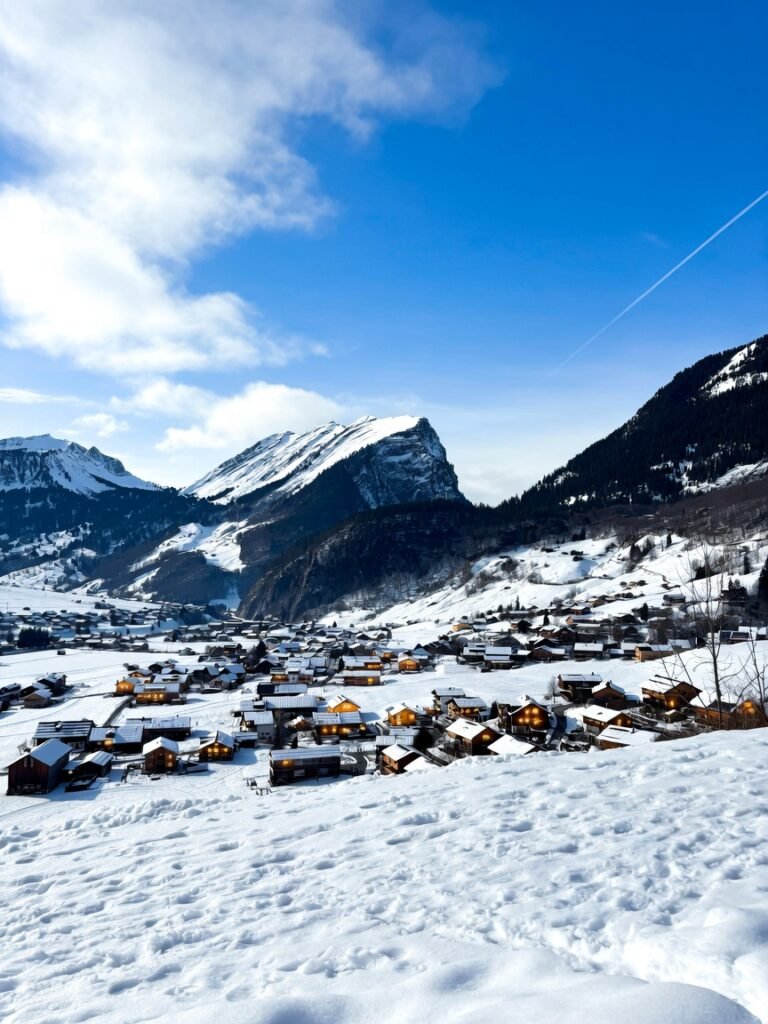
The most famous and biggest hub is Rovaniemi, but there are plenty of other major tourist centers too. Like Levi, the biggest luxury ski resort or Saariselkä, home of the famous Kakslauttanen Arctic Resort (you know, the igloo hotel you’ve definitely seen on TikTok or Instagram). On top of that, there are plenty of smaller traditional Christmas villages too.
Sweden and Norway have this culture as well, but 90% of elf jobs are in Finnish Lapland — so that’s where I’d start the search.
What does an elf job actually involve?
An elf’s main job is bringing real Christmas magic into visitors’ hearts. That means entertainment, running activities with kids, and coordinating programs. Depending on the resort and position, you’ll have a range of elf tasks to choose from when applying — but every position requires flexibility with whatever you’re assigned.
One thing all the jobs have in common, though: the magic will surround the few months you spend in Lapland.
While a typical seasonal job runs for months, elf positions are usually just a few weeks — longer stay is available in many resorts, based on agreement with the employer — late November to early January, generally as long as there are bookings with the accommodation provider.
Good social skills matter for this job: helpfulness, patience, love for people, and team spirit. Since you’ll spend your whole day around people, playing a role, a lot of employers are glad to see acting experience, performing skills, or dance background on your CV. I had none of that and still got a callback, so don’t stress if you don’t either — it’s not a requirement.
But elf life isn’t all magic and marshmallows. As an elf, you’re responsible for people’s safety. If any health issues come up, you’re the first point of contact. Don’t worry, every future elf goes through elf training where they teach you everything you need. No, you won’t be performing surgery, but you might need to put someone in the recovery position during a fainting episode, the same skill you’d need for a driver’s license.
Who can apply?
Luckily, you don’t need a degree or any special qualification for this job. Are you over 18, do you have a clean criminal record and do you speak English? You’ve already met the basic requirements — go ahead and apply.
There’s no specific list of countries elves are recruited from, but you do need to be an EU citizen or hold a visa that lets you work in that country. Recruiters love people who like to travel and see the world, and it’s a big plus if you speak a language besides English. Like I mentioned, it’s worth putting any performance experience on your CV: acting, dance, singing, anything that shows your creativity and that you’d fit in with the keepers of Christmas magic.
[Free downloadable, editable CV template link]
How much will you get paid to be part of the Christmas magic?
These are entry-level positions, so you’ll generally get local hospitality minimum wage — starting around €11/hour gross. That works out to roughly €1,850/month gross if you’re working the full 40 hours a week (hours varies by country), plus overtime and holiday pay — less if your contract is on the lower end of the 30–40 hour range.
The net calculation depends on a lot of factors and the local tax office works it out individually for you — the recruiter walked me through this when I got my offer. As a rough rule: if you’re working less than 6 months, you’re generally looking at somewhere between 0% and 10% tax. Based on the offer I got, that would have landed net pay around €1,650/month.
So can I just put all €1,650 into savings?
Unfortunately, no. Almost every Lapland job requires you to pay for accommodation and food. A lot of these resorts are literally in the middle of nowhere, which has its perks — and its downsides.
Your accommodation is a shared room, usually not private, you’ll be sharing with 2–6 people, so don’t expect much personal space during the months you’re there. Plan for that mentally. You’ll also pay for food — in the offer I got, room and food together were quoted at €650/month, which is roughly standard for the area. Honestly, I found that pretty steep, since saving money was my whole reason for doing this in the first place.
In less remote spots, closer to a town center, you don’t necessarily have to pay your employer for housing or food, you can find a rental room nearby and cook for yourself. Some people go this route, though it’s not necessarily cheaper. And not every place provides food either — sometimes you have to sort that out on your own.
A lot of places ask during the application if you have a driver’s license, since elves need to get around somehow too — usually by snowmobile, or a car the elf team takes to work together. Cool, right?
How much do you actually have to work?
Elf schedules are usually 5 days a week, 30–40 hours depending on your contract. That holds for the early and late season — but during peak season, from early December to early January, the pace is intense, and you might end up working 6 days a week. Of course, that gets paid according to local regulations.
Is it really as perfect as it looks on TikTok?
Unfortunately, no. Like everything in life, this job has its downsides too.
- Kaamos: One of the biggest things people don’t factor in. Kaamos is the polar night, meaning the sun doesn’t fully rise for months. That doesn’t mean there’s zero light, just that it’s only light for a short while, and even then it’s more like a permanent sunrise. Around Rovaniemi, this period doesn’t last long — just a few days with 1–2 hours of daylight. But in towns further north, it can be almost completely dark for 2 months. This isn’t great for your mental health and employers often bring it up themselves during interviews.
- The cold: Daytime temps can hit -30°C (-22°F), and you’ll be working in it. Elves generally aren’t given warm clothing — you have to sort that yourself, aside from the thin uniform, of course.
- Lack of privacy: Especially true if you pick an isolated resort that you basically can’t leave during your work months — and that’s not unusual.
- The money: You can earn a lot more elsewhere for the same amount of work. If that’s your priority and not specifically the Christmas magic, go read my piece on seasonal jobs and how much you can earn in different countries.
If you still feel like living this magic, apply as soon as possible. Recruitment starts in summer and spots fill fast. One thing’s for sure: it’ll be a once-in-a-lifetime adventure, and if you commit to a longer season, you’ll have more chances to see the northern lights too.
I’ll help you write your CV and cover letter in the article below.
(link)
Whatever you decide, you’ll walk away from a Lapland winter with money in the bank, a wild story and probably permafrost in your soul.
FAQ
Do you need experience to get an elf job in Lapland?
No — no diploma, no special qualifications, and no acting or performance background required. Acting, dance, or singing experience helps your application stand out, but plenty of elves (including me) got hired without any of it.
How much do elf jobs in Lapland pay?
Most positions pay local hospitality minimum wage,in 2026/2027 starting around €11/hour gross — roughly €1,850/month gross, or about €1,650/month net after tax, plus overtime and holiday pay.
Is accommodation included?
Usually, yes — but you pay for it. Room and food together typically run around €650/month, and you’ll usually share a room with 2–6 other people rather than getting your own space.
Do I need a visa to work as an elf in Finland, Sweden, or Norway?
You need to be an EU citizen or hold a visa that allows you to work in the country you’re applying to. Beyond that, the main requirements are being 18+, having a clean criminal record, and speaking English.
When should I apply?
Recruitment typically opens in summer for the following winter season, and spots fill up fast — so apply early if you want a shot at a specific resort.
Is it dark all day during the season?
Around Rovaniemi, only for a few days — you’ll get 1–2 hours of daylight. Further north, it can stay almost completely dark for up to two months (a phenomenon called kaamos, or polar night), which is worth factoring into your decision.