Getting ready for seasonal work — no matter the destination — can seriously stress you out. Then, after days of packing, you get there and realize you didn’t need half the stuff you brought for the next few months. But it’s even worse when you realize how much you forgot — stuff you now need way more than your third pair of slippers or your hair curler.
Packing for seasonal work works completely differently than packing for a long vacation. Think of it more like moving — where you’re VERY, very limited on how much you can bring, but you still have to think through every little detail. Everything, for every kind of weather and occasion, has to fit into 1, maybe 2 suitcases.
So stick with me, and let’s go through what’s actually worth packing for your next seasonal job — and what isn’t.
If you’re still deciding where to go, check out The TOP 5 best paying countries in Europe for a ski season or what elf jobs in Lapland actually pay before you start packing.
In this article:
- What to ask your employer beforehand
- What to pack for winter season
- What to pack for summer season
- Important for both seasons
- What NOT to bring
A quick note before we start: most airlines cap checked baggage at 32 kg, but that allowance usually isn’t automatic — you have to book and pay for it separately. So if you’re flying to your seasonal job, check your airline’s baggage options ahead of time, because that’s what actually decides how much of this list fits in your suitcase.
One more thing: this post walks through the specific, need-to-think-about items — if you want the full, ready-to-go packing list in one place, you can grab it for free [here].
1. What to ask your employer beforehand (email or phone)
- Do they provide your work clothes, or do you need to bring your own — and if so, what exactly is the dress code?
- If your employer provides accommodation, or if you’re renting yourself, always ask for details on:
- if you’re alone, how big is the room roughly; if you’re sharing, how many people per room
- do you have your own bathroom or not
- how far is the accommodation from work, and how do you get there
- do they provide bedding + sheets, towels
- do you have somewhere to cook — a small kitchen — or are you stuck with whatever meals they give you
- what shopping options are nearby, and are they reachable by public transport
- is there AC in summer, or at least a fan
- is there a washing machine on site, or do you have to go to a separate laundromat (and how much does that cost)
- how far ahead of your start date can you move in, and what happens once the job ends — how long can you stay at the accommodation afterward
I wish I’d asked all of these upfront myself — it would’ve saved me a real headache. If most of this already came up in your interview, great, you’re ahead of the game — otherwise, get these answered before you commit to anything.
2. What to pack for winter season
There are a bunch of different winter seasonal jobs out there — here I’m trying to cover the whole winter season packing situation in one broad list.
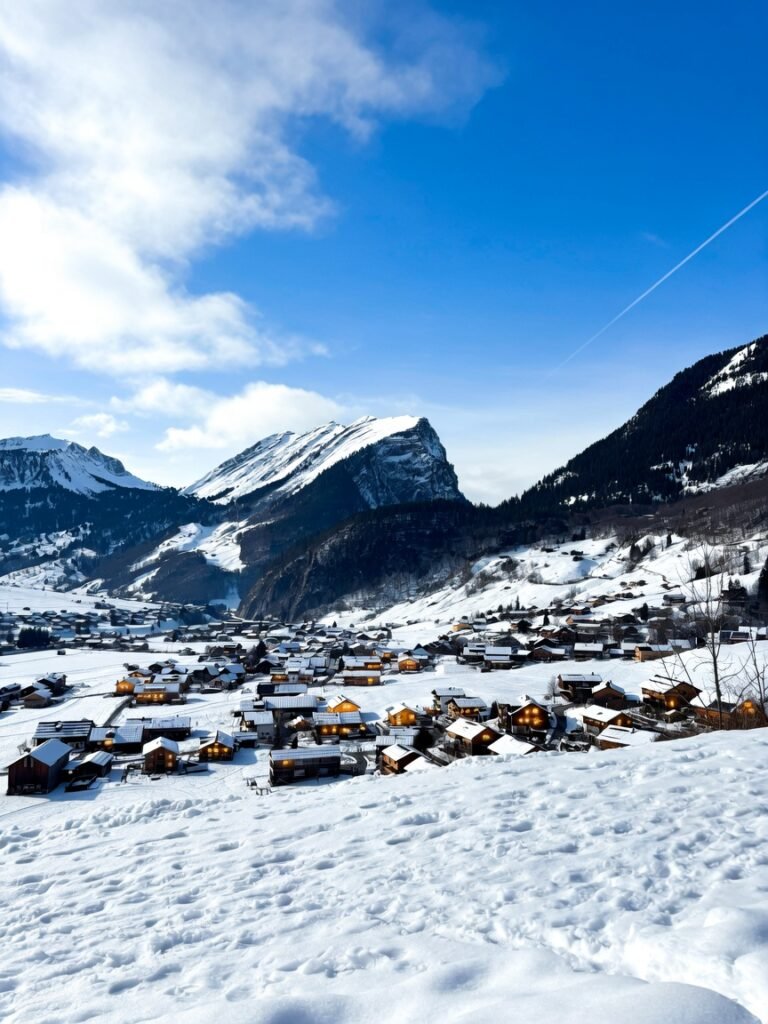
First and most important — and I spent weeks researching this — get yourself the best quality, warmest clothing you can, both for everyday wear and for outdoor activity. Up in the mountains in winter, -15 to -20°C isn’t unusual anywhere and neither is knee-deep snow. If we’re talking Lapland, temperatures can drop as low as -30°C, so dressing right really matters. (Sometimes employer provides warm outside clothes in extreme cold)
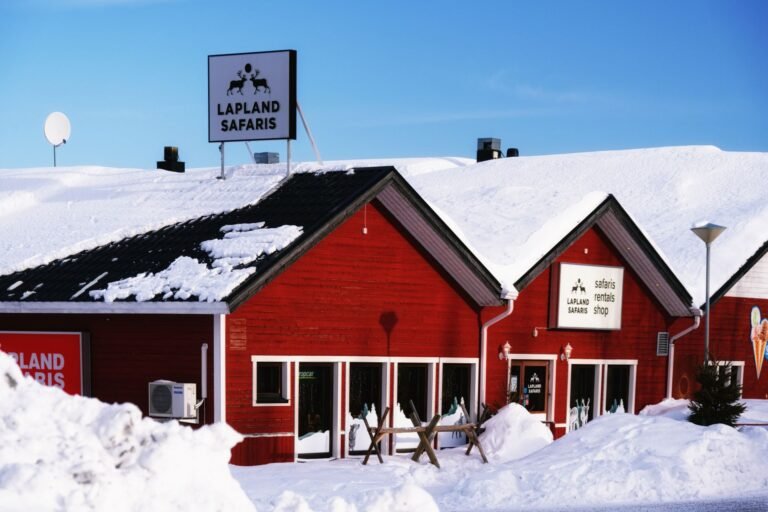
If Lapland is on your radar, our Lapland elf job guide.
You’ll need:
- 2-3 pairs of thick ski socks, for everyday wear too (wool is best, but pricey)
- 1-2 thermal base layer sets: leggings, long sleeve top
- 2-3 tank tops, for layering
- 3-4 plain cotton long sleeve tops — good for everyday wear with any pants, layers well
- 3-4 sweaters
- 2 pairs of warm gloves (1 warm liner pair + 1 waterproof outer pair, if you’ll be outside a lot)
- 1 hat
- 1-2 scarves
- 1 pair of ski pants (not just for skiing — great for cold everyday walking too!!)
- 1 warm, long winter coat
- 1 pair of sunglasses (especially for outdoor jobs — snow reflects light really strongly)
- 1 pair of quality snow boots
- 1 ski mask, especially if you’ll be working outside
- 1 pair of comfortable work shoes
But in prolonged, serious cold, it’s not just about dressing right — you need to think about your health too, inside and out:
- heavy face cream, hydrating serum — and not just for women, everyone’s skin dries out fast in this kind of weather
- SPF, especially if you’ll be working outside a lot — a lot of people don’t realize how badly you can burn in winter
- lip balm
- body lotion
- vitamin D + a multivitamin
Extra tips:
- a basic first aid kit (band-aids, painkillers, scissors, tweezers, nasal spray) — most employers will have one, but better safe than sorry
- a light therapy lamp, especially if you’re working in Lapland
- a thermos
- a swimsuit — a lot of hotels let staff use the wellness area for free, so it’s worth bringing one
You can fin here the whole detailed seasonal job packing list!
3. What to pack for summer season
Getting ready for summer season — whether that’s camp work, restaurant work, or maybe an animator job — keep in mind that sometimes you’re packing for a pretty remote setup, so check in advance roughly what the weather’s like there during those months. Same deal as before: ask your employer the questions from point 1 if you haven’t gotten answers yet and pack and plan accordingly. If there are plenty of shops nearby where you can get anything you need, your life gets a lot easier.
Not sure yet what kind of seasonal job fits you? Our work exchange explainer breaks down how that route compares to a paid seasonal job.
Clothing: Don’t make the mistake of only packing shorts and t-shirts because “it’ll be warm anyway” (guilty — I did exactly that). That’s not necessarily true, actually, far from it. Keep evening hours, rainy seasons and possible weather fronts in mind, so you still need to pack for every scenario.
Bad weather, rain, night shifts — in forests or desert-type areas, the weather can get pretty extreme (40°C during the day, dropping to 10-15°C at night), so make sure you’ve got the following packed:
- 2-3 warmer sweaters
- 1 waterproof jacket
- 1-2 pairs of comfortable long pants
- 1 extra pair of shoes
- 2-3 pairs of thick socks
Warm summer days:
- 4-5 pieces of UV-protective clothing (long sleeves, light pants) — sounds counterintuitive for summer, but covering up is often what actually saves you from getting fried
- 2-3 breathable everyday outfits (shorts/t-shirts, a light dress if that’s your thing)
- 1 hat
- 1 pair of UV sunglasses
- 1 swimsuit — even outside of winter wellness perks, you’ll want it for days off
- 1 pair of sandals or flip-flops, on top of your closed work shoes
Health stuff — this is where people usually underpack and it’s the one area you really don’t want to skimp on:
- at least SPF 50 sunscreen, and don’t buy the smallest bottle — you’ll go through it fast if you’re outside a lot
- after-sun / aftersun lotion — sunscreen alone isn’t enough, your skin needs the recovery too, and I learned this one the hard way
- aloe vera gel, for actual sunburn, not just “a bit of color”
- body lotion
- UV-protective lip balm
- insect repellent, especially for forest, camp, or lakeside jobs — this one gets forgotten constantly and you will regret it
- electrolyte/rehydration sachets, if you’ll be working outside in real heat — helps more than just chugging water
You can fin here the whole detailed seasonal job packing list!
4. Important for both seasons
Some things matter regardless of the season, and it’s worth making room for them in your bags or, even better, buying them locally once you get there, so you keep more space free.
Clothing quantities
This list so far has only covered the specific stuff. But nobody’s mentioned t-shirts, socks, underwear, or the other basics you use literally every day, you can donwload the whole packing list here for free. If you’re heading into several months of seasonal work, working 5-6 days a week with laundry day happening maybe once a week, you need to actually think this through, so you’re not hand-washing something in the sink at 11pm before a morning shift. Here’s some of what’s worked for me:
- 8-10 pairs of underwear
- 7-8 pairs of everyday socks (on top of the thick ski socks if it’s winter)
- 8-10 t-shirts / basic tops — 6-7 is only enough if you’re not going out much; count on more once you factor in days off, going out, and the odd top getting ruined in the staff laundry
- 2-3 sets of sleepwear/pajamas
One more thing: keep your work clothes and your everyday clothes stored separately. It makes mornings so much easier when you’re not digging through the same pile trying to find a home outfit that doesn’t smell like your last shift.
Toiletries
- toothbrush + toothpaste
- deodorant
- a hairbrush or comb
- hair ties/hairbands, if that applies to you
- a razor
- travel-size shampoo and conditioner (you can restock locally once you’re settled in)
- your usual medication for any pre-existing conditions
Documents & money
- copies of your official documents (including your work contract): anything can happen — you lose them, your phone dies, etc.
- a digital backup of everything too — photograph or scan your documents and save them somewhere you can access even without your phone, like your email or cloud storage. Paper copies are great until the bag they’re in goes missing
- backup cash: bring some local currency with you just in case, doesn’t need to be much
Comfort & practical items
- power bank
- storage containers — sounds silly and out of place here, but where I started working, this was one of the biggest problems for all of us. We got 3 meals a day, but not necessarily when we could actually eat, or we weren’t hungry right then and just couldn’t pack it away. Staff kitchens usually only stock the basics for cooking, not storage containers. So I really recommend getting some — it makes life so much easier
- shower bag: if you’ll have a shared bathroom, get one, so you don’t have to carry everything separately every time and then realize under the shower that damn it, you left everything in your room
- laundry bag: a plain trash bag works fine for this, I’ve definitely used one before :). If you’re in shared accommodation, the washing machine is often several floors and a bunch of winding staircases away, and losing a couple of, let’s say, more compromising pieces of clothing along the way isn’t exactly ideal
- water bottle
- 1 proper outfit: seriously important! Don’t just bring sportswear and casual clothes. Pack at least one nicer outfit, because you never know what might come up. I ended up with an office job interview and thank god I had something appropriate to wear
- basic over-the-counter meds from home: more than once I ran into a situation where some medication I thought was totally standard just wasn’t available in that country, so it’s worth bringing a few until you can get to a doctor
- if you’re a bad sleeper, earplugs and an eye mask were lifesavers for me in the staff house. Since everyone’s usually on a completely different schedule, it matters that someone heading out to a shift doesn’t wreck your sleep
- headphones: for monotonous work and everyday life
- long charging cable: if you need your phone nearby all the time
This post walks through the specific, need-to-think-about items — if you want the full, ready-to-go packing list in one place, you can grab it for free [here].
Curious what seasonal work is really like day to day? We covered that in I Worked Seasonal Jobs in Europe. Here’s What Nobody Tells You.
5. What NOT to bring, because it’s pointless
When it comes to packing, we all tend to fall into the same trap — throwing everything in JUST IN CASE we might need it someday. Let me stop you right there: this is one of the biggest mistakes you can make. That’s exactly why it’s worth sitting down and writing a proper, well-thought-out list beforehand.
A few examples of stuff that’s completely pointless:
- clothes you never even wore back home for whatever reason, but now you’re convinced you’ll wear them at this new place. You won’t.
- too many fancy or going out clothes. Unless your job specifically requires it — like if you’re a promoter or hostess and have to provide your own outfit — one nice set (as mentioned above) plus 2-3 going-out outfits is plenty, if you’re heading somewhere with nightlife. If you’re working somewhere fully isolated, cut that down to just 1.
- too many shoes. No, you don’t need all of them. Stick to this: 1 pair of work shoes, 1 pair of everyday/street shoes (for winter season I’d recommend 1 pair of snow boots + 1 regular pair), 1 pair of slides, and 1 backup pair in case something happens to either of the others.
- white clothes. Nobody’s exactly careful with staff washing machines — other people wash their greasy work clothes in there too, which can easily ruin yours. From personal experience: leave your white clothes, and anything you’d be genuinely upset to ruin, at home.
- large-size toiletries. Pack enough for the first 2-3 weeks — basically one regular-size bottle or pack of everything — because you’ll probably be able to pick up more on your way to the job. No point lugging around extra weight.
- expensive electronics. Only bring what you know you’ll actually use and can keep an eye on.
- books. Too heavy, takes up too much space. If you love reading, get an e-reader instead, or just buy books locally.
- kitchen equipment. You can clarify this with your accommodation provider beforehand — exactly what the kitchen’s equipped with — but usually the basic pots, pans, and appliances are already there.
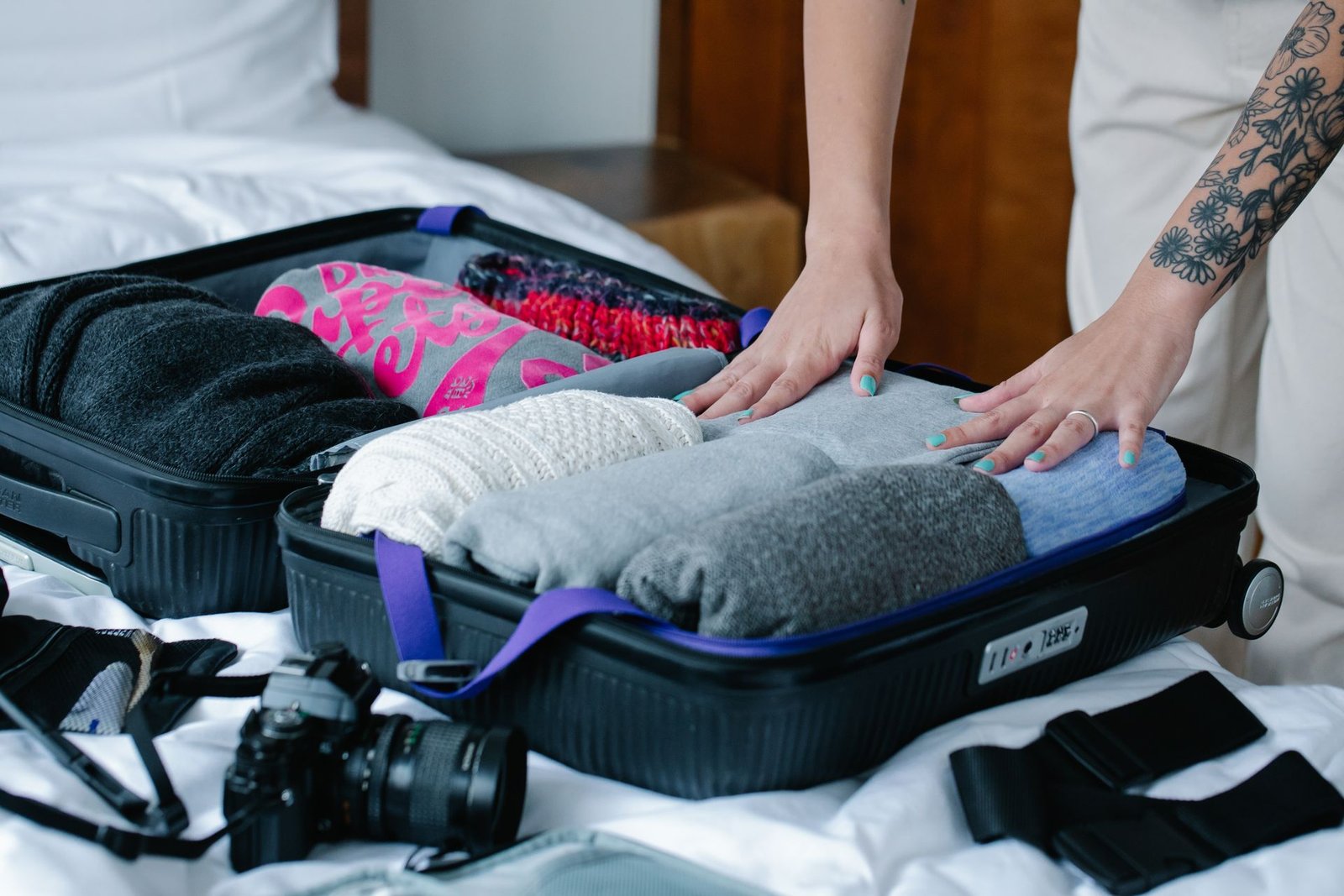
One last tip: the best way to pack is to roll your clothes up instead of stacking them flat — it fits so much more this way, and it’s the method I always use myself. Though I’ll admit, unpacking it all again when you’re heading home can be a bit of a struggle, haha.